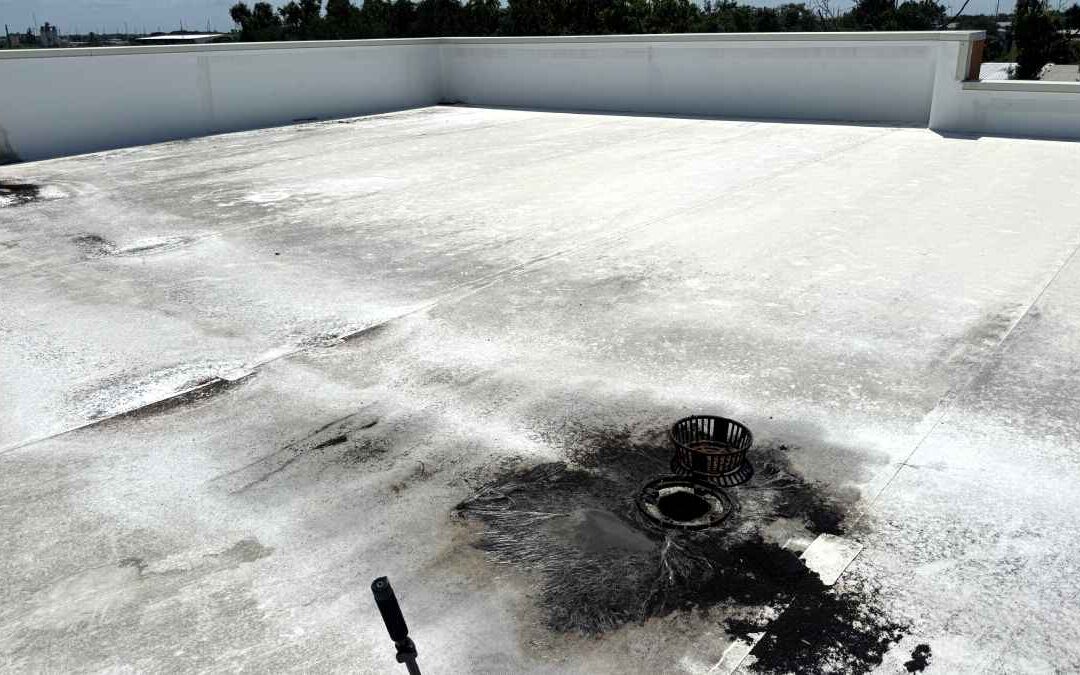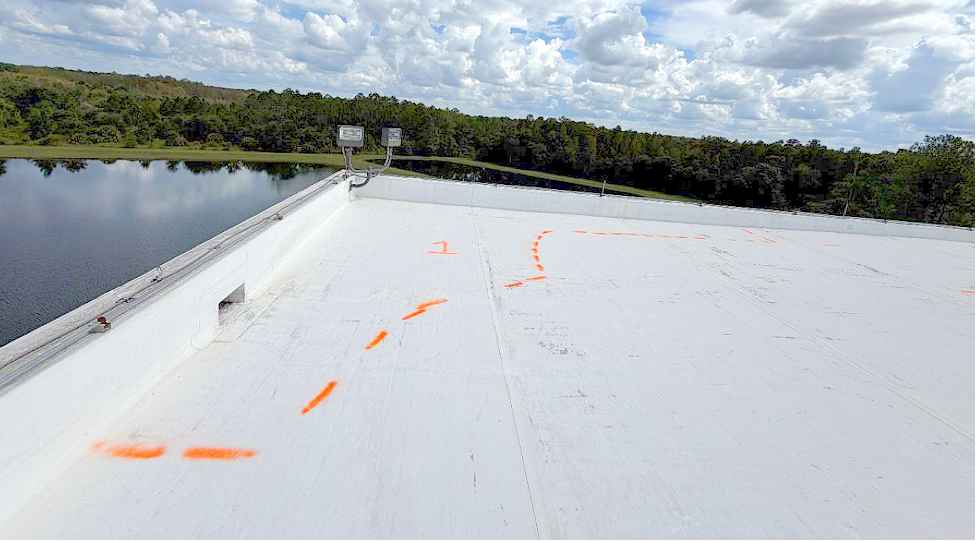
On a any construction project, large or small, a lot can go wrong in a single day, and most of it gets covered up before anyone notices. A fastener left out of a metal roof panel. An open hole where a fastener was pulled and never replaced. Loose fasteners left lying on the roof. Each one is small. But on 300,000 square feet of roof, small problems add up fast, and once the next layer goes on or the crew moves to the next section, they’re out of sight for good. By the time they show up again, it’s usually as a leak, a warranty dispute, or a costly repair after the building opens.
That’s the reality facing anyone responsible for a commercial build: owners, general contractors, and consultants. The schedule moves fast, dozens of trades are on site at once, and no one can be everywhere at the same time. The question isn’t whether problems will happen. It’s whether anyone will catch them, and whether there will be a record to show what happened and when.
The Challenge: Seeing the Whole Project, Not Just Pieces of It
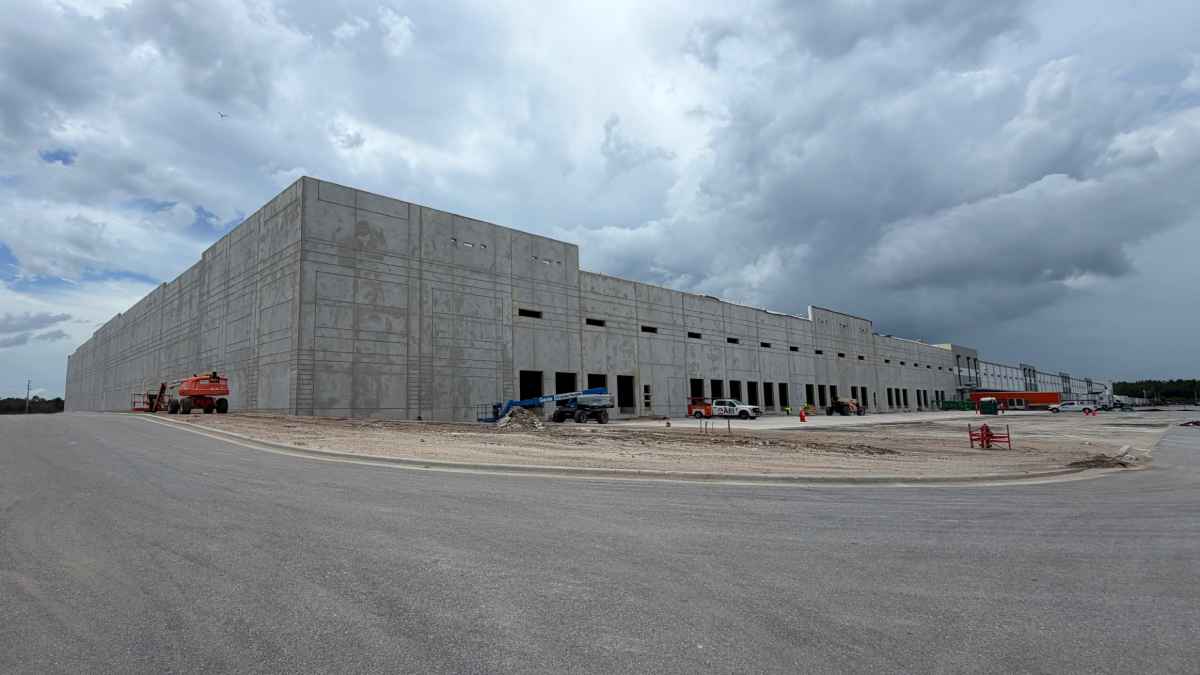
This construction is a large commercial project covering roughly 300,000 square feet. With RMS serving as the roofing consultant during construction, the team had expert eyes on the roof work. What they also needed was a clear, consistent view of the entire site as it came together.
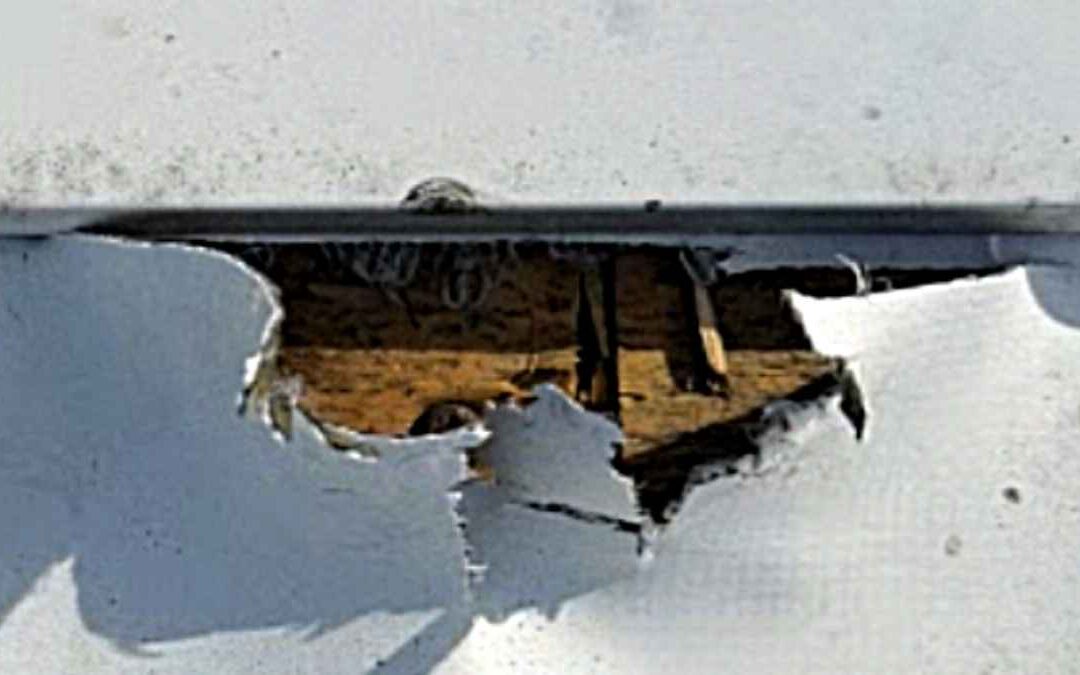
On a job this big, ground-level walkthroughs only tell part of the story. Problems that are easy to spot up close, like the missing fasteners and open holes in the metal panels shown in our video, can be easy to miss across acres of roof and site. And without a consistent visual record, it’s hard to answer simple questions later: What was finished by this milestone? When was this area covered? What did the site look like before the next phase started?
Bringing In a Different Perspective
Structura View was brought in to document construction progress from the air. The plan was straightforward and built around the project’s key milestones:
- Three site visits timed to major points in the construction schedule
- Oblique aerial photos from each corner of the project site at every visit, capturing current construction activity
- A stitched composite overview image for each milestone, combining the individual photos into a single, comprehensive view of the entire site
After each visit, the project team receives both the individual aerial photos and the stitched overview, so they can zoom in on specific areas or step back and see the whole project at once.
What Consistent Documentation Makes Possible
Every visit adds another page to the project’s visual history. Put side by side, the milestone images show exactly how 300,000 square feet came together, from early site work to the finished building.
That record gives every party something valuable:
- Owners can monitor progress without being on site and keep a permanent record of their investment.
- Contractors can show completed work at each milestone and support pay applications and schedule updates.
- Consultants get a big-picture view that complements their on-the-ground inspections, making it easier to spot areas that need a closer look.
Exposed sheathing, uncovered fasteners, a corner that isn’t sealed.
And if questions come up after construction, about a warranty claim, a leak, or who did what and when, the documentation is already there. No one has to rely on memory.
What Can Happen Without It
Without regular documentation and oversight, problems don’t just stay small. Missing fasteners can let panels move and leak. Open holes let water into the roof assembly. Debris and damage from other trades can go unnoticed until it’s covered. And when something does go wrong months later, there may be no record to show when it happened or who is responsible, which turns a simple fix into a costly dispute.
Missing fasteners and open holes in the roof deck – before the roof even goes on.
Consistent documentation and inspection throughout construction help catch these issues while they’re still easy and inexpensive to fix.
Protecting Your Investment From Start to Finish
Large commercial projects are complex, fast-moving, and expensive. The best way to protect that investment is to keep a clear eye on it from the first day to the last. Aerial progress documentation gives owners, contractors, and consultants a shared view of the project, a permanent record of every milestone, and a better chance of catching problems before they’re buried.