Quote it wrong, and everybody loses. This contractor wouldn’t quote until they knew where the water was coming from.
Five leaks in a medical building, no clear source, and some of them were dripping with no rain at all. The roofing contractor had to put a price on the fix, and couldn’t afford to guess.
The Pressure of Pricing a Leak You Can’t See
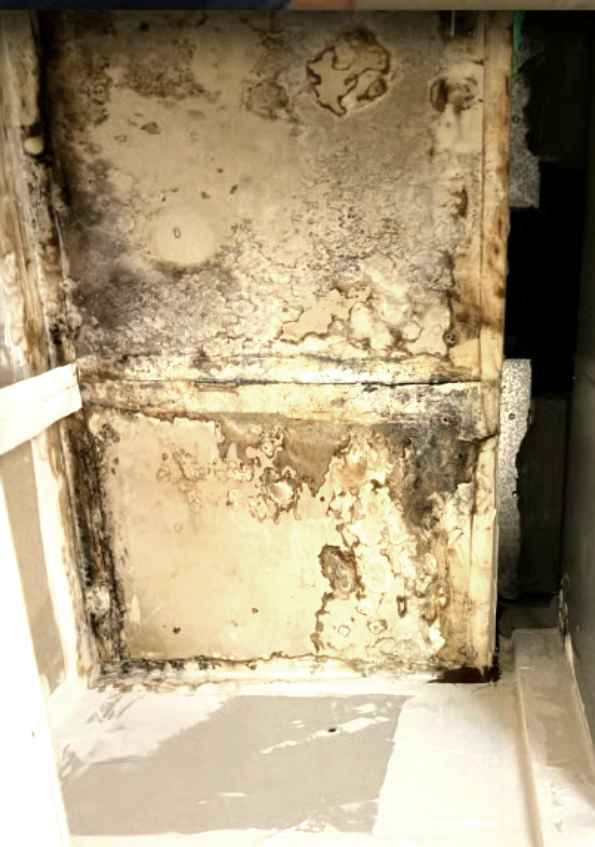
Every contractor knows this spot. Price a patch, and if the leak continues, you’re back on the roof explaining a callback to an owner who has already run out of patience. Price a large scope without evidence, and the owner sees an upsell. Either way, you risk the job and the relationship.
For the owner, the stakes are just as real. Every repair that doesn’t hold means another disrupted day in a building that has to keep running, more damaged ceilings and finishes, and a repair budget spent on fixes that didn’t work.
So before quoting, this contractor needed an independent building envelope consultant. They wanted a scope they could stand behind: built on evidence, documented for the owner, and with fewer surprises once the roof was opened.
What the Investigation Found
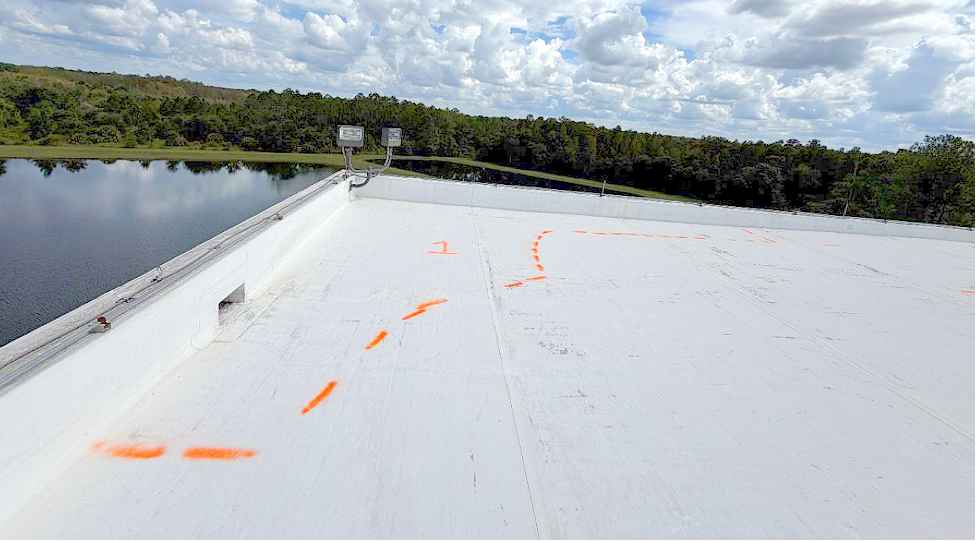
We traced each interior leak to the roof above it, inspected the full building envelope, and mapped trapped moisture with non-destructive scanning equipment, all without cutting into the roof.
The result wasn’t one problem. It was several conditions, each a potential entry point:
- Scuppers. Missing or failing sealant at eight through-wall scuppers. Water getting behind the flashing can travel through the wall penetration and into the roof assembly.
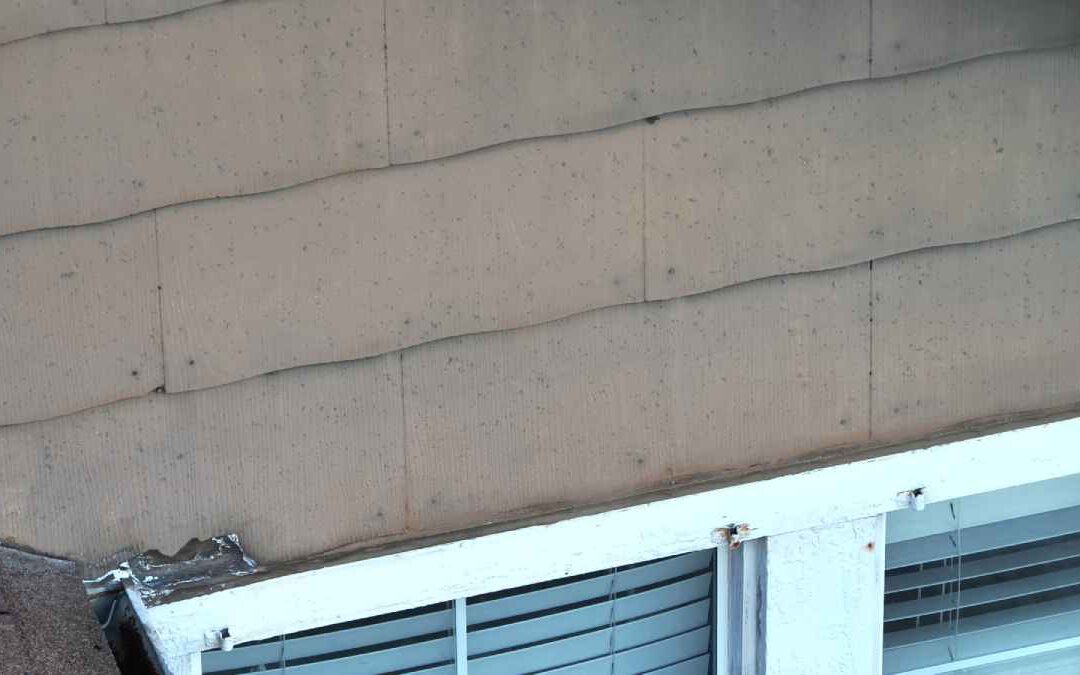
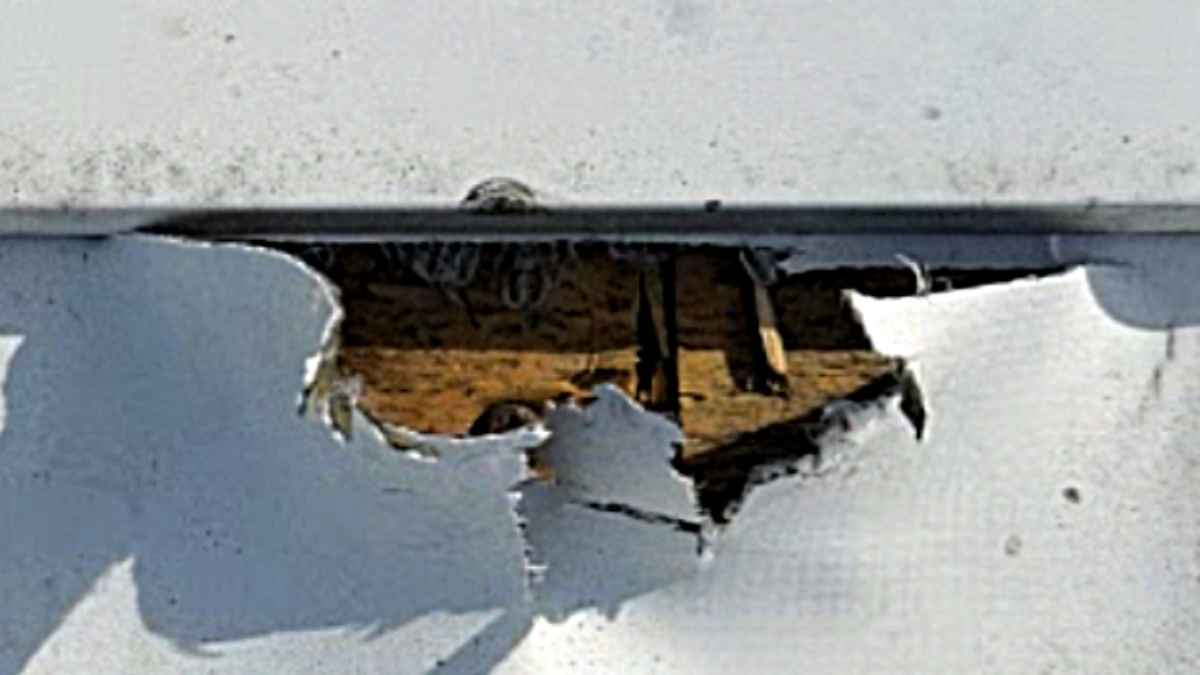
- Parapet terminations. A narrow metal flashing, loose and moving, covered the membrane termination. Elevated moisture readings nearby suggest problems at the concealed termination below.
- Atrium roof perimeter. The self-adhered flashing tying the roof membrane to the drip edge was separating along much of the perimeter.
- Curbs and drains. Unsealed fasteners and open screw holes at exhaust fan curbs, and deteriorated seals at the drain guard anchors.
- Punctures. Small membrane punctures near the rooftop HVAC units and on the atrium roof.
Each leak location was associated with one or more of these conditions. None of them, on its own, explained everything.
Water Trapped Inside the Roof
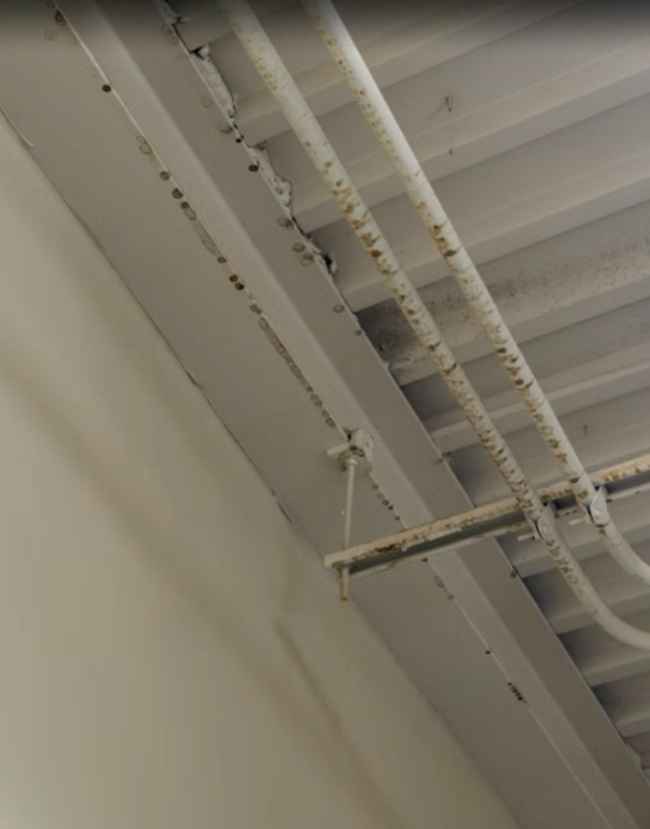
Two locations were actively dripping on a dry afternoon. This pattern points to water already trapped inside the roof assembly. It gets in at one or more points, travels along the deck, and releases into the building as the roof heats up. A rooftop HVAC unit’s condensate system is also a suspected contributor at the nurses’ desk.
For the contractor, this means sealing the visible entry points may not stop the dripping right away. For the owner, it means a repair can look finished while water already inside the roof keeps coming through.
Test First, Then Price the Repair
The recommendation was to confirm the sources before committing to the full scope:
- Controlled water testing of scuppers, parapet flashings, the atrium perimeter, curbs, and drains, one at a time, while someone watches the interior.
- Destructive testing: lift flashings, remove drain guards, and take test cuts or cores in the mapped moisture areas to see how much wet material is in the roof.
- An HVAC inspection of the rooftop units while they run, to separate condensate water from water trapped in the roof.
The clear deficiencies, such as failed sealant, separating flashing, open fastener holes, and punctures, get repaired either way. The rest of the scope waits for what testing confirms. The contractor quotes from evidence, and the owner pays for repairs that address the actual problem.
What This Means for Building Owners
Recurring leaks rarely come from a single spot, and water trapped in a roof can keep showing up long after the rain stops. A contractor who recommends testing before major repairs isn’t stalling. They’re protecting your budget, your occupants, and your building, so it gets fixed once.
Pin down the leak before you price it. Contact Structura View first.