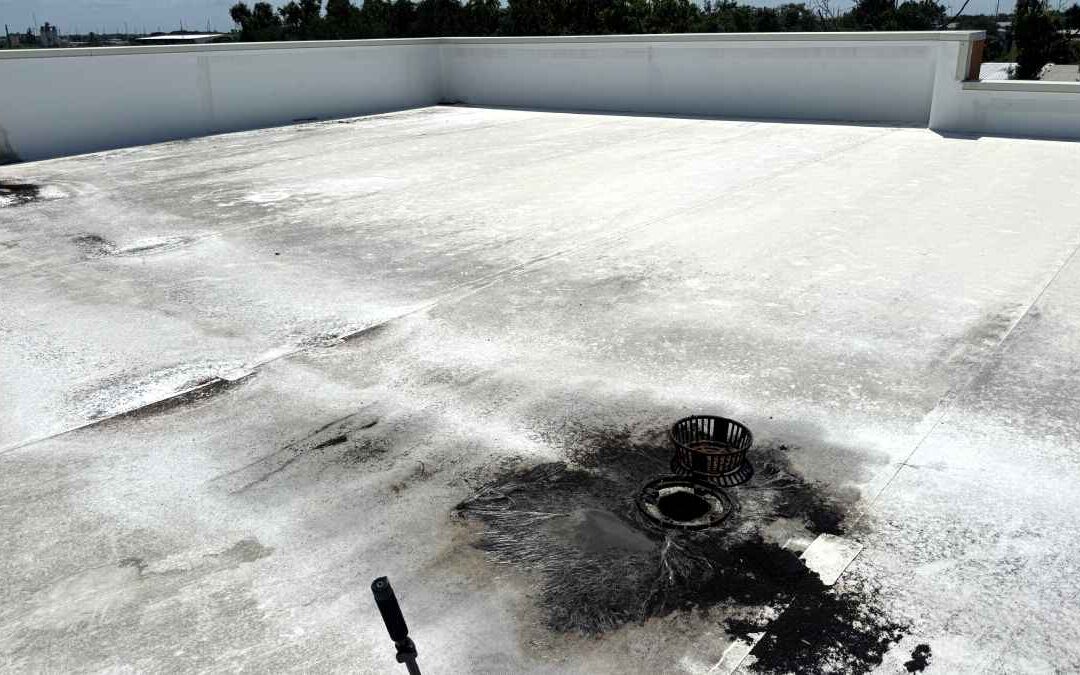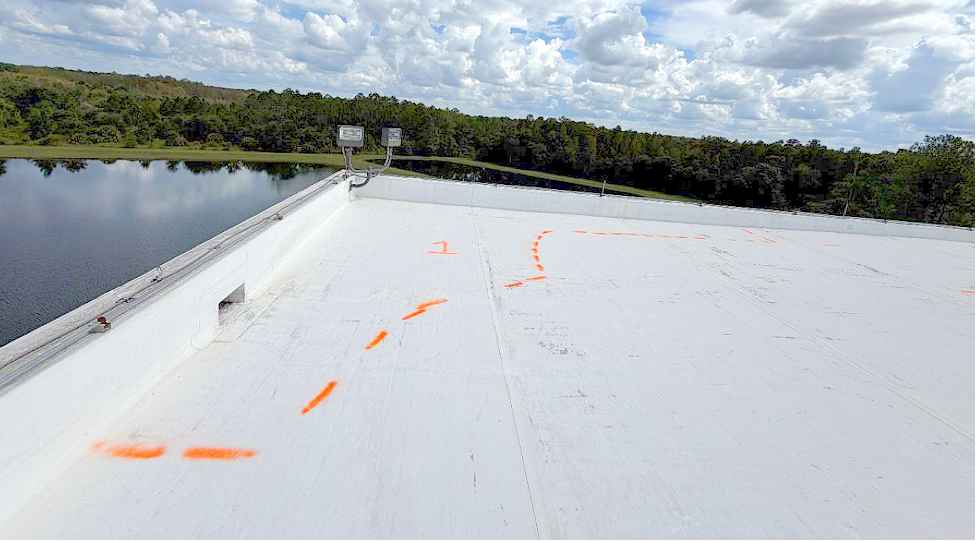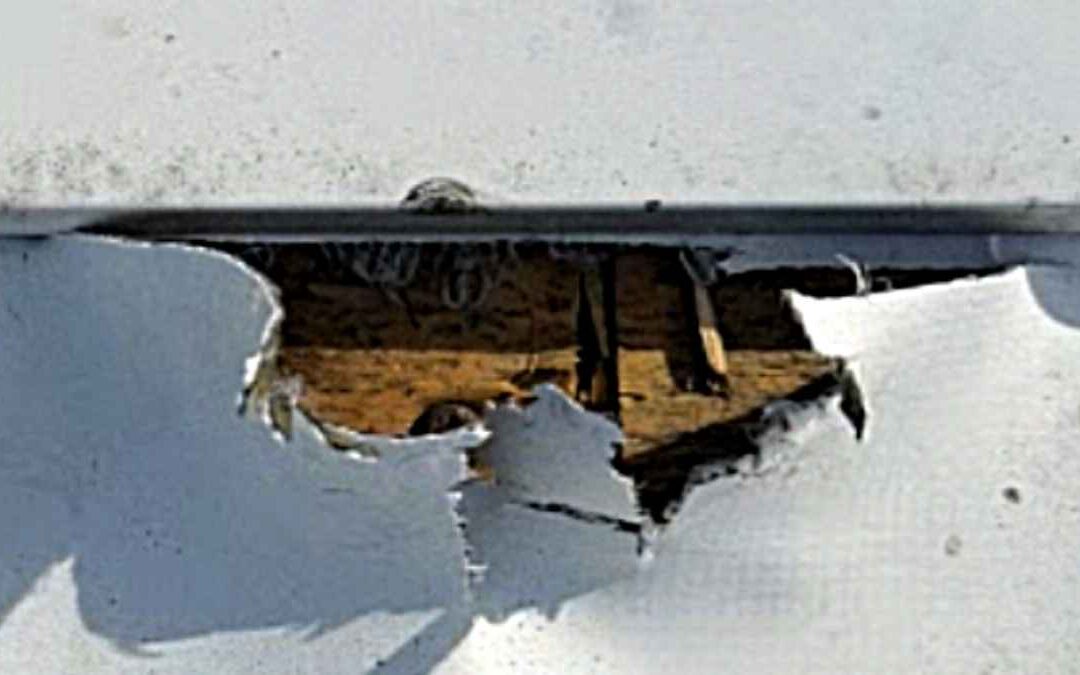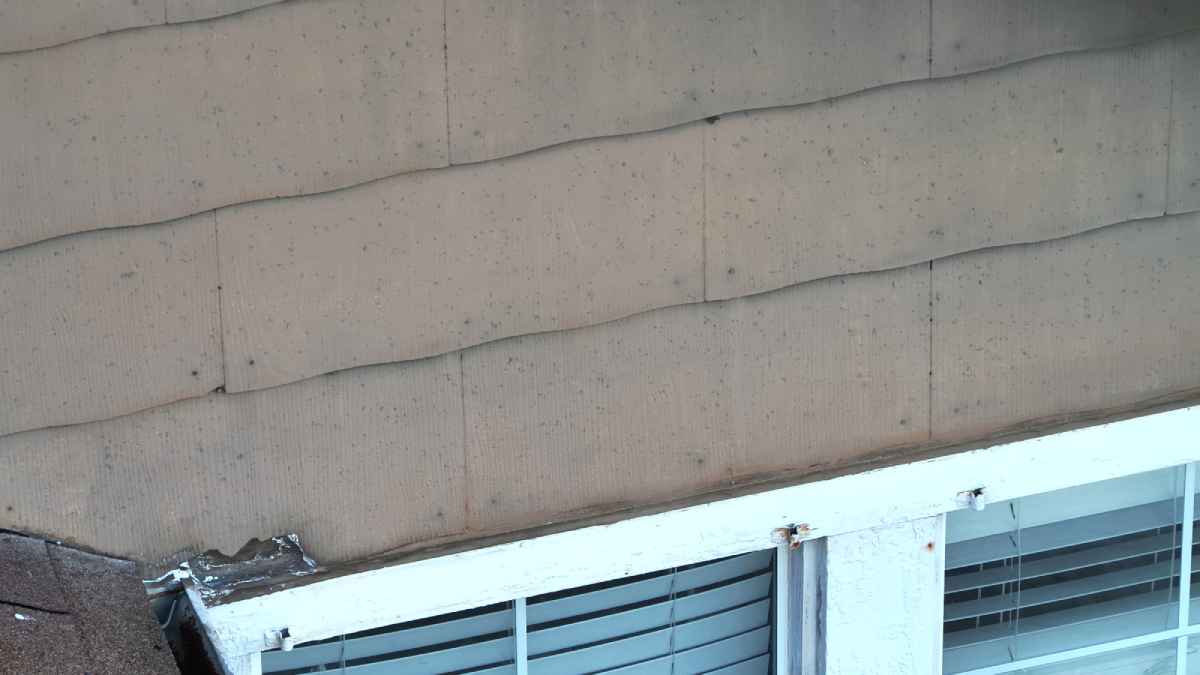
The roof over a Florida church had reached the end of its life. Several of its steep-slope roof areas were covered in old tiles showing substantial deterioration and damage, and full replacement was the clear recommendation.
Normally, that’s where the roofer comes in. This time, the tiles were suspected of containing asbestos, and that changes everything about what happens next. The church is now in a precarious spot: the roof can’t stay as it is forever, but every step forward has to be taken with extreme caution.
A Roof You Don’t See Every Day
Roofing tiles made with asbestos were common a very long time ago and were phased out long before most of today’s roofs were installed. They’re uncommon now, but they haven’t disappeared. Churches, schools, older commercial buildings, and homes across Florida can still have them in service.
Why You Can’t Just Call a Roofer
Asbestos can’t be identified by looking at it. A tile that contains it can look exactly like one that doesn’t.
The bigger issue is what happens when the material is disturbed. Breaking, cutting, drilling, or removing asbestos-containing tiles can release fibers into the air, and deteriorated tiles break more easily. A well-meaning repair, a quick patch, or a crew walking the roof to measure for a quote can create the very problem everyone is trying to avoid.
That’s why the first call on a roof like this shouldn’t be for a tear-off.
How to Move Forward, Step by Step
- Stop all work on the roof. Hold off on repairs, cleaning, pressure washing, and unnecessary foot traffic until you know what the material is.
- Get a professional assessment. A building envelope consultant can document the roof’s condition and determine what needs to be replaced, repaired, or tested. At this church, that meant reviewing seven steep-slope and three low-slope roof areas, each with different needs.
- Have the tiles sampled and tested. A qualified asbestos professional should collect representative samples, and an accredited laboratory should analyze them, before the tiles are disturbed and before any repair or replacement work is planned.
- If the results are positive, plan the removal carefully. Removing asbestos-containing material is regulated. Work with qualified asbestos professionals to determine what’s required for your building and how the removal fits into the replacement.
- Price the replacement once you know what you’re dealing with. Quotes built on guesses can change, sometimes dramatically, once the test results come in.
- Have the work observed. Independent observation during removal and installation helps make sure the plan is followed and the new roof is installed correctly.
Why a Professional Matters at Every Step
A roof like this isn’t a do-it-yourself project or a simple replacement bid. It sits where roofing, testing, and regulation meet, and a misstep at any point can add cost, delay the project, or put people at risk.
Structura View helps owners and property managers work through situations like this one. We assess the full building envelope, identify what needs testing before anything is touched, and help you build a plan grounded in facts instead of assumptions.
Think your old roof might contain asbestos? Let’s figure out the safest way forward.